


-

Add: HeBei ShengShi HongBang Cellulose Technology CO.,LTD.
-

Email
13180486930@163.com -

CONTACT US
+86 13180486930

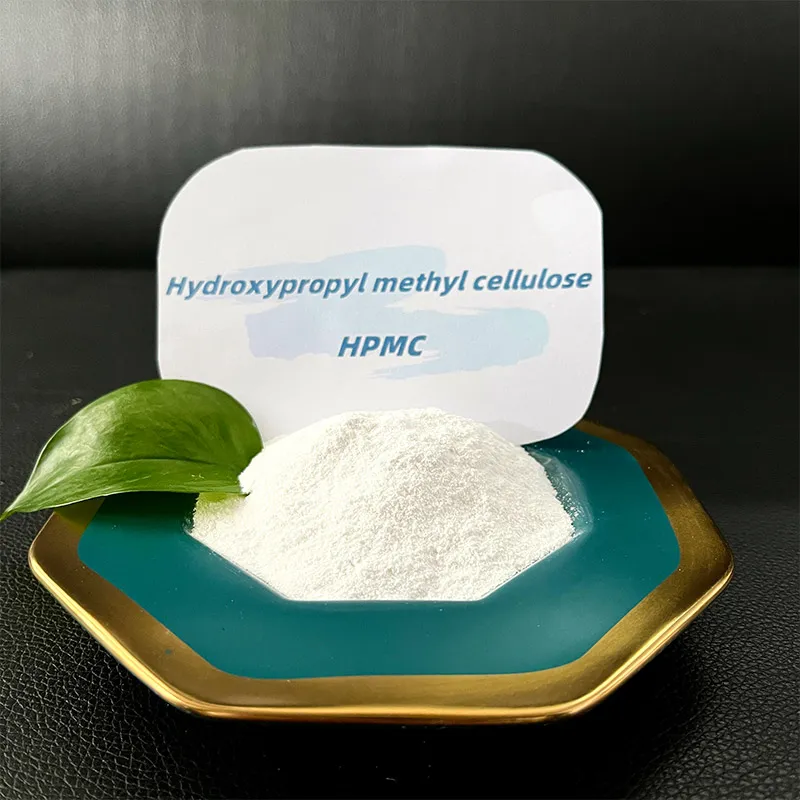




Hydroxypropyl Methylcellulose (HPMC) E5 is a versatile and essential ingredient in various industries, prized for its unique properties that enhance product formulation. As a low viscosity grade of HPMC, E5 offers a distinct set of characteristics highly valued by manufacturers. This article delves into the crucial attributes of HPMC E5, leveraging insights from industry experts and real-world applications to offer a comprehensive understanding of its benefits and usage. One of the standout features of HPMC E5 is its film-forming ability. This property is integral in the pharmaceutical industry, where HPMC E5 is commonly used as a coating agent for tablets. Its ability to form a uniform, adherent, and stable film ensures the protection of active ingredients, enhances shelf life, and improves the aesthetic appeal of tablets. The expertise of formulation scientists highlights that the use of HPMC E5 in coatings improves the swallowability and taste masking of oral dosage forms, making it a preferred choice among pharmaceutical developers. In the realm of construction, HPMC E5 serves as an essential additive in cement-based materials. Its water retention capability prevents premature drying and assures optimal curing, leading to increased strength and durability of the final product. Construction professionals underline that the inclusion of HPMC E5 in mortar formulations results in enhanced workability and open time. This facilitates easier application and adjustment of tiles or other construction components, minimizing waste and improving finish quality. The adhesive industry also benefits from the unique properties of HPMC E5 . The compound's thickening and rheology modification abilities enable the production of adhesives with superior stability and consistency. As experts in adhesive chemistry attest, HPMC E5 improves the bonding capacity and mechanical strength of adhesives, providing reliable performance across different substrates and environmental conditions. This versatility makes it an indispensable ingredient in formulating both household and industrial adhesives. hpmc e5 properties Personal care products, such as shampoos and creams, often incorporate HPMC E5 due to its excellent emulsification and stabilization properties. Cosmetologists and personal care formulators value HPMC E5 for its ability to maintain the integrity and homogeneity of creams and lotions. Its non-ionic nature ensures compatibility with various active ingredients, allowing for innovative formulations that cater to diverse consumer needs. Furthermore, HPMC E5’s gentle nature and lack of irritancy make it suitable for sensitive skin products, thus broadening its applicability in the cosmetics industry. From an expert perspective, the adaptability of HPMC E5 across different formulations and industries underscores its significance. Its non-ionic and cellulose-based nature ensures environmental compatibility and safe usage, aligning with the growing consumer demand for sustainable and eco-friendly products. Manufacturers leveraging HPMC E5 can assure their clientele of high-quality, reliable, and effective products, bolstering trust and authority in their respective markets. Trustworthiness in utilizing HPMC E5 is reinforced by thorough testing and compliance with regulatory standards, which are critical for product safety and efficacy. Collaboration with experienced formulation scientists and adherence to stringent quality control measures guarantees that products incorporating HPMC E5 deliver consistent and dependable performance. In conclusion, HPMC E5 stands out due to its unique properties that serve a wide array of applications, ranging from pharmaceuticals and construction to adhesives and personal care products. Its esteemed position is further corroborated by industry expertise and practical experience, which collectively affirm its role as a high-value ingredient. By integrating HPMC E5, manufacturers not only optimize product performance but also ensure an authoritative and trusted presence in their sectors.
- 40000tons

Production
- 20+years

Experience
- 5000+㎡

Acreage

-
Hydroxypropyl methyl cellulose (HPMC) is a synthetic polymer used across varied industries, including pharmaceuticals, food, and cosmetics, due to its versatile properties. Despite its widespread usage, understanding the side effects associated with HPMC is crucial, especially for individuals with specific health considerations or allergies. As a dietary supplement and pharmaceutical excipient, HPMC is generally recognized as safe (GRAS) by health authorities such as the FDA. However, users may sometimes report mild side effects. From an experiential perspective, individuals with sensitive digestive systems have noted bloating or mild abdominal discomfort when consuming products containing HPMC, especially in higher doses. This usually occurs because HPMC changes the viscosity in the gastrointestinal tract, potentially affecting the natural digestive process. In terms of expert analysis, HPMC is non-toxic and allergen-free according to numerous studies published in pharmaceutical journals. Research shows that adverse reactions are rare and mostly associated with hypersensitive individuals or those with specific conditions like irritable bowel syndrome (IBS). These occurrences underline the importance of consulting healthcare professionals before introducing any new supplement containing HPMC, particularly for people with pre-existing digestive issues. Authoritative sources, including the European Medicines Agency (EMA) and World Health Organization (WHO), have acknowledged the safety profile of HPMC. However, fact-based reporting emphasizes the need for manufacturers to maintain transparency through labeling, enabling consumers to make informed decisions based on potential allergies or sensitivities. This practice not only enhances consumer trust but also aligns with global regulatory standards. hydroxypropyl methyl cellulose side effects Trustworthiness is bolstered by real-world studies and user testimonials. Regular consumers of products with HPMC, such as targeted fiber supplements, have reported positive experiences, particularly in cases where HPMC functions as a bulking agent that aids in bowel regularity. Nevertheless, for those with an allergic disposition, even minimal exposure could potentially lead to contact dermatitis or other allergic responses when used in topical products. It's crucial to underline that while HPMC itself is chemically inert and stable, combining it with other inactive materials in pharmaceuticals or foods could alter its effect in specific contexts. Such interactions underscore the importance of producing and consuming products within the recommended dosage guidelines provided by health professionals. In conclusion, the side effects of hydroxypropyl methyl cellulose are minimal and largely limited to individual sensitivity . Adherence to prescribed formulations and a clear understanding of one's health conditions facilitate the safe use of HPMC in various applications. For businesses and consumers alike, staying informed about the latest research and ensuring transparent communication regarding product ingredients serve as pivotal steps in maximizing the benefits and minimizing potential drawbacks associated with HPMC usage. This strategic approach ensures ongoing consumer confidence and product integrity, aligning well with contemporary health-conscious trends.
-
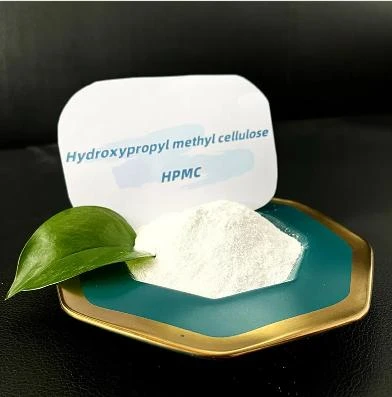
In the ever-evolving landscape of sustainable manufacturing, high-performance environment-friendly rubber powder factories stand as a testament to innovation and responsibility. Not merely as a symbol of eco-consciousness, these factories embody the future of industrial operations by seamlessly blending high-quality production with environmental stewardship. A deep dive into these factories reveals a confluence of technological prowess and ecological mindfulness. At the core of their operations is a commitment to sustainability without compromising on performance. Unlike traditional rubber manufacturing methods that often result in significant environmental detriments, these factories harness advanced technologies that reduce carbon footprint, minimize waste, and utilize resources efficiently. This new breed of factories employs state-of-the-art milling processes that transform end-of-life tires and rubber scraps into fine, reusable rubber powder. Through this recycling initiative, not only is landfill overflow alleviated, but valuable rubber is reclaimed and repurposed. The impact is twofold—mitigating environmental harm while enabling the creation of superior rubber products that meet high industry standards. From a performance standpoint, these rubber powders do not falter . Through rigorous testing and quality control, they consistently meet the requisite benchmarks for tensile strength, elasticity, and durability. This assurance of quality has seen their adoption in a plethora of applications—from automotive parts and building materials to sports surfaces and industrial components. The ability to produce rubber powders with such precision and consistency speaks to the expert capabilities within these factories, grounded on decades of research and development. Moreover, the intelligence embedded within these production processes is awe-inspiring. These factories are equipped with real-time monitoring systems and data analytics platforms that optimize every phase of manufacture. Continuous feedback loops ensure that any deviations are promptly addressed, thereby maintaining peak operational efficiency. Such attention to detail underscores the expertise and authoritativeness these establishments command within the industry. high-performance environment-friendly rubber powder factory Their commitment does not stop at production; these factories also pioneer efforts to educate and collaborate. By partnering with academic institutions, research bodies, and governmental agencies, they foster an environment of knowledge exchange and continuous improvement. This approach not only bolsters their own processes but also elevates industry standards globally. Their collaborative projects often lead to breakthroughs that redefine the boundaries of what's possible in sustainable manufacturing. Transparency, an often-undervalued trait, is another keystone of these operations. Detailed lifecycle assessments and audits are routinely published, providing stakeholders with clear insights into the environmental impact and benefits of their products. Certifications from reputable environmental and industrial bodies further reinforce the trustworthiness of these factories. By openly sharing their methodologies and results, they set a benchmark for accountability and trust. The human element in these factories cannot be overlooked. Skilled professionals work tirelessly to ensure that operations align with both ethical standards and corporate social responsibility objectives. This dedication to ethical labor practices not only enhances product integrity but also builds a supportive and progressive workplace culture. High-performance environment-friendly rubber powder factories are more than just manufacturing units; they are vital components of a sustainable future. Their ability to merge performance with sustainability, coupled with a strong emphasis on expertise, authoritativeness, and trustworthiness, makes them integral players in both industry and environmental conservation. Their story is one of ingenuity, responsibility, and forward-thinking—a narrative that aligns perfectly with the ethos of modern sustainable enterprise.
advantages
-

200000 Viscosities
Excellent product
We can produce pure products up to 200,000 viscosities
-

40000 tons
High yield
We don’t stop production all year round, and the annual output can reach 40,000 tons
-

24 hours
Quality service
We provide 24-hours online reception service, welcome to consult at any time
———— Inquiry Form
Schedule A services

-
 micronized_rubber_powder
Oct . 25, 2025
In the world of industrial applications, particularly in the realm of pharmaceuticals and constructi -
 hpmc_full_name
Oct . 25, 2025
In modern construction, the demand for materials that offer durability, workability, and cost-effici -
 fabricants_d_ether_d_amidon
Oct . 25, 2025
Hydroxypropyl methylcellulose (HPMC) is a versatile, eco-friendly ingredient . This cellulose deriva


